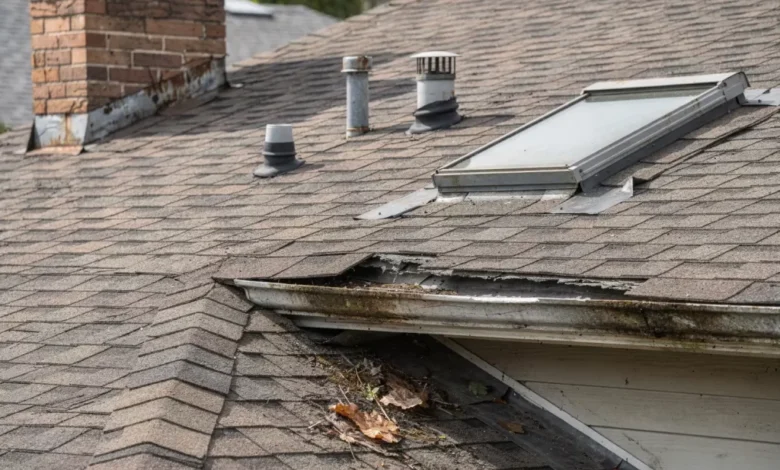
Heavy rain rarely damages a roof at random. Water usually finds weakness where roof sections meet, materials change direction, or openings interrupt the surface. Roof valleys and penetrations receive more water, movement, and weather exposure than many other areas, making them common sources of roof repair problems.
Roof Valleys Collect More Water Than Any Other Surface Channel
Two roof slopes meeting together create a valley that directs large volumes of rainwater toward the eaves. During heavy storms, thousands of gallons may move through these narrow channels in a short period. Experienced Huntsville roofers pay close attention to valleys because concentrated water flow increases wear on shingles, underlayment, and flashing. Accumulated debris can make the problem worse over time. Leaves, branches, and pine needles may trap moisture inside the valley, slowing drainage and encouraging material deterioration. Homeowners searching for roofing near me often discover that a neglected valley caused leaks long before visible damage appeared indoors.
Constant Water Velocity Accelerates Wear Along Valley Materials
Fast-moving water places repeated stress on roofing materials located inside valleys. Granules may wash away, metal components can corrode, and shingles often wear faster than surrounding roof sections. A qualified roof repair company understands that valleys experience different conditions than other parts of the roof. Seasonal storms can increase this wear significantly. Wind-driven rain often pushes water beneath weakened materials within these channels. Many Huntsville roof repair projects involve replacing valley components because years of water exposure have reduced their effectiveness.
Plumbing Vents Interrupt the Roof’s Natural Drainage Pattern
Pipe penetrations create openings that require specialized flashing and protective boots. These components seal the space where plumbing vents pass through the roof surface. Professional Huntsville roofers regularly inspect these areas because rubber boots and sealants eventually deteriorate. Ultraviolet exposure can accelerate cracking around vent materials. Small openings may allow water to enter beneath the shingles and travel into the attic. Homeowners looking for roof repair near me often find that plumbing penetrations caused hidden leaks that developed gradually.
Metal Flashing Around Roof Openings Faces Constant Movement
Chimneys, skylights, and exhaust vents require metal flashing systems that connect different building materials. Expansion and contraction occur as temperatures change throughout the year. A roof repair company often identifies movement around flashing that allows water infiltration.
Different materials expand at different rates during seasonal weather cycles. Metal, masonry, wood, and shingles may shift independently, creating small gaps over time. Certain roof repair problems return because flashing systems no longer maintain a watertight seal.
Debris Accumulation Creates Moisture Traps Around Penetrations
Branches, leaves, and dirt often collect behind chimneys, vents, and skylights. These areas can hold moisture against roofing materials for extended periods. Experienced Huntsville roofers recognize that debris buildup increases the likelihood of leaks.
Trapped moisture can weaken sealants and encourage material deterioration. Organic debris may also block proper drainage around roof penetrations. Regular inspections help identify these conditions before extensive roof repair becomes necessary.
Ice, Wind, and Storm Forces Target Roof Transitions First
Weather events place significant pressure on valleys and roof openings. Wind can lift flashing edges, while driving rain forces water toward vulnerable joints. Huntsville roof repair specialists frequently examine these transition areas after severe storms.
Temperature fluctuations also contribute to material stress. Expansion and contraction occur more aggressively around roof penetrations because different components respond differently to heat and cold. Many homeowners searching roofing near me services request inspections following major weather events.
Installation Errors Often Remain Hidden for Several Years
Improper flashing installation or incorrect underlayment placement may not cause immediate leaks. Certain defects remain hidden until weather conditions expose weaknesses. A roof repair company often uncovers older installation issues during inspections.
Fastener placement and flashing overlap play important roles in long-term performance. Small mistakes made during installation can eventually create major water problems. In some situations, widespread installation defects may contribute to the need for roof replacement.
Careful Inspections Protect the Most Vulnerable Roof Locations
Valleys and penetrations naturally experience greater water exposure and material movement than other sections of the roof. Fleming Roofing performs detailed evaluations of these high-risk areas to identify early signs of deterioration before leaks spread into the home. For property owners considering roof repair, roof replacement, or searching for dependable Huntsville roofers, Fleming Roofing provides inspections that focus on the locations where roofing problems most often begin.